Warm summer days are perfect for swimming, boating, and fishing in Lenawee County’s beautiful lakes and rivers. But as temperatures rise, so does the risk of harmful algal blooms (HABs), commonly known as blue-green algae. While not all algal blooms are dangerous, some can produce toxins that pose a risk to people, pets, and wildlife. Here’s what you need to know to stay safe on the water this season.
What is Blue-Green Algae?
Blue-green algae are not actually algae, but a type of bacteria called cyanobacteria. These bacteria occur naturally in freshwater environments and, under the right conditions—warm water, sunlight, and excess nutrients (like phosphorus and nitrogen)—can rapidly grow into large, visible blooms.
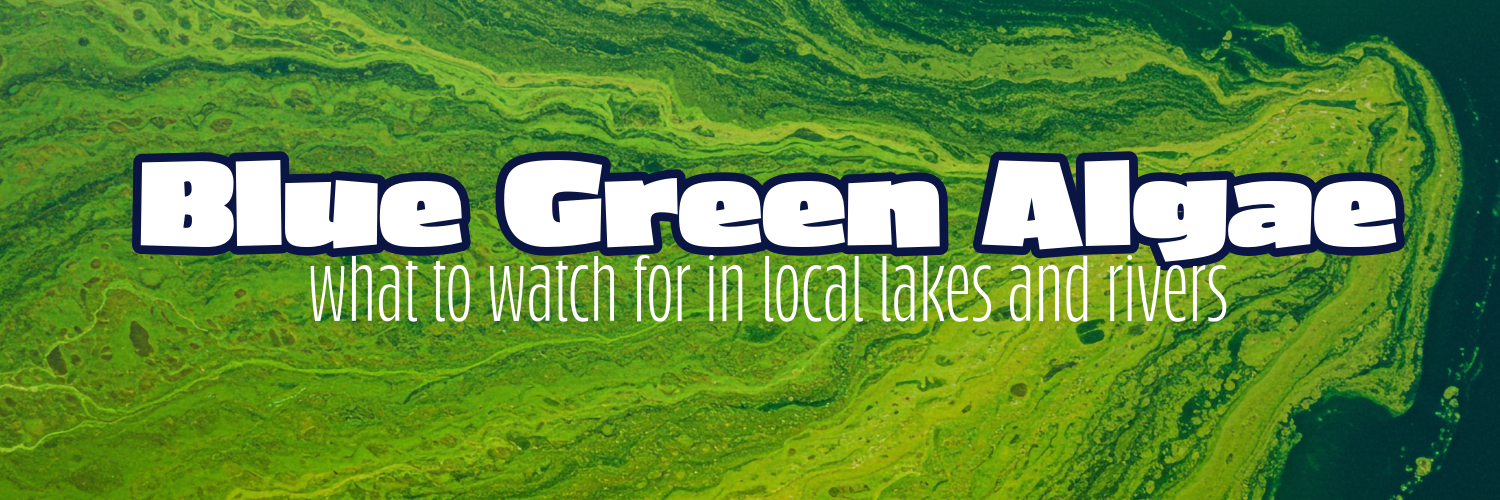
These blooms may appear as scum, foam, or paint-like streaks on the water’s surface and can range in color from bright green to blue, brown, or red. Some blooms also produce a strong, unpleasant odor.
Why Are Harmful Algal Blooms a Concern?
While not all blue-green algae are toxic, some blooms produce cyanotoxins—dangerous substances that can affect the liver, nervous system, and skin. Exposure to these toxins can happen through:
- Swallowing contaminated water
- Skin contact while swimming
- Inhaling water spray while boating or jet skiing
- Eating fish from affected waters (if not properly cleaned and cooked)
Health effects may include:
- Skin rashes or irritation
- Nausea, vomiting, or diarrhea
- Respiratory issues
- In severe cases, liver or neurological damage
Pets, especially dogs, are at high risk because they may drink the water or lick algae off their fur after swimming.
What Should You Look For?
If you’re spending time near lakes, rivers, or ponds, watch for signs of a potential bloom:
If you see any of these signs, avoid contact with the water and keep pets and children away.
What Should You Do if You Think You've Been Exposed?
If you or your pet has come into contact with water that may have a harmful algal bloom:
- Rinse off immediately with clean, fresh water
- Watch for any symptoms such as skin irritation, stomach upset, or fatigue
- Seek medical attention or contact a veterinarian if symptoms appear
How Can You Help Prevent HABs?
Harmful algal blooms are fueled by excess nutrients in the water, often from fertilizer runoff, failing septic systems, or stormwater. You can help reduce the risk by:
- Limiting fertilizer use on lawns and gardens
- Maintaining your septic system
- Planting native vegetation along shorelines to reduce runoff
- Properly disposing of pet waste
Stay Informed
The Michigan Department of Health and Human Services (MDHHS) and Michigan Department of Environment, Great Lakes, and Energy (EGLE) monitor water bodies for HABs during the warmer months. Local alerts and testing updates will be issued as needed by our department.
If you see a suspected bloom, report it to EGLE by emailing AlgaeBloom@Michigan.gov or calling 800-662-9278.
Enjoy Lenawee’s lakes safely this summer—stay aware, stay informed, and when in doubt, stay out.
For more information and updates, visit our website or follow us on social media.