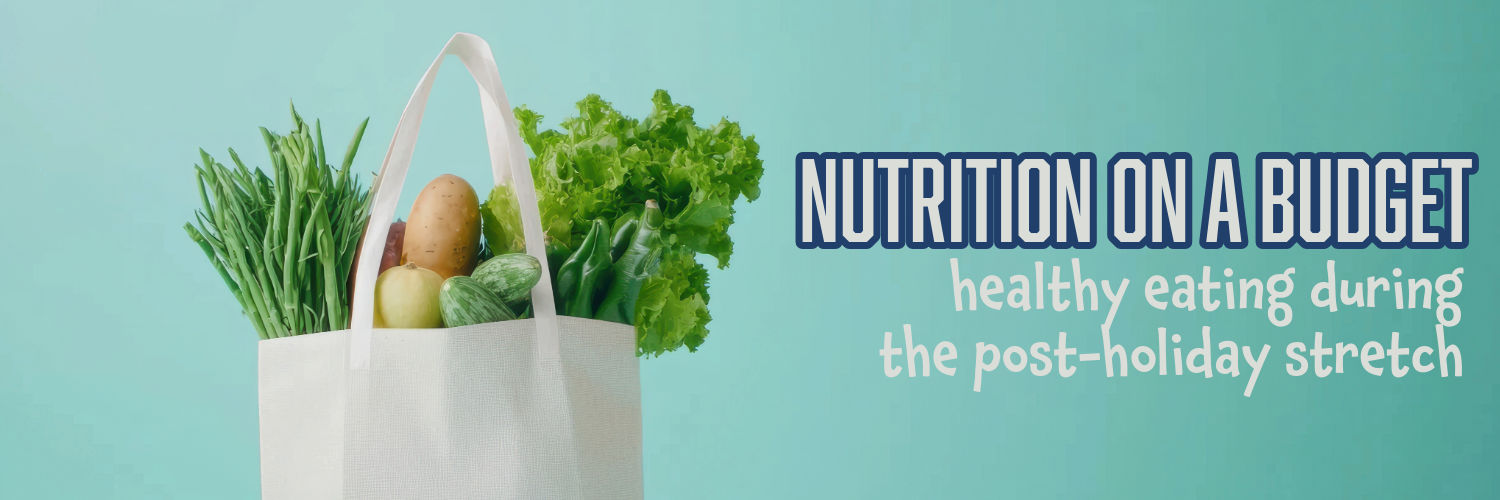
January often arrives with a mix of fresh intentions and tighter finances. After holiday meals, travel, and gift-giving, many households are looking for ways to stretch their grocery dollars while still eating well. The good news is that healthy eating does not have to be expensive. With a little planning and a few smart strategies, nutritious meals can fit into nearly any budget.
Focus on Simple, Whole Foods
Some of the most affordable foods are also some of the healthiest. Staples like dried or canned beans, rice, oats, eggs, potatoes, and frozen vegetables provide important nutrients at a low cost. These foods are versatile, filling, and easy to incorporate into a wide variety of meals.
Frozen fruits and vegetables are especially budget-friendly in winter months. They are picked at peak ripeness, retain their nutritional value, and often cost less than fresh produce during the off-season. Plus, they last longer, reducing food waste.
Plan Meals Before You Shop
Meal planning is one of the most effective ways to save money and eat healthier. Before heading to the store, take a few minutes to plan meals for the week and create a shopping list. This helps avoid impulse purchases and ensures you buy only what you need.
Planning meals around what you already have at home can also save money. Check your pantry, freezer, and refrigerator first, then build meals using those items. Leftovers can be repurposed into lunches or new dinners, reducing waste and stretching your food budget even further.
Cook More, Convenience Less
Pre-packaged and convenience foods may save time, but they often come with a higher price tag and more added sodium, sugar, and unhealthy fats. Preparing meals at home, even simple ones, can significantly reduce costs while giving you more control over ingredients.
Batch cooking is another budget-friendly strategy. Making a large pot of soup, chili, or casserole can provide several meals throughout the week. These dishes often freeze well, offering easy, healthy options on busy days without the need for takeout.
Choose Protein Wisely
Protein is often one of the most expensive parts of a meal, but there are many affordable options. Beans, lentils, eggs, peanut butter, canned tuna, and canned chicken are all budget-friendly protein sources. These items can be used in soups, salads, sandwiches, and main dishes.
When purchasing meat, consider buying larger quantities when on sale and freezing portions for later use. Choosing less expensive cuts and incorporating meat as a part of the meal rather than the main focus can also help reduce costs.
Shop Smart at the Grocery Store
Small changes in shopping habits can lead to meaningful savings. Buying store brands instead of name brands often provides the same quality at a lower price. Comparing unit prices can help identify the best value, especially for pantry staples.
Seasonal produce is typically more affordable, even in winter. Items like apples, oranges, carrots, cabbage, and sweet potatoes are often budget-friendly and nutrient-rich during colder months.
Reduce Food Waste
Wasted food is wasted money. Storing food properly and using leftovers creatively can help make the most of your grocery budget. Soups, stir-fries, and casseroles are great ways to use up leftover vegetables, grains, and proteins.
Keeping track of expiration dates and organizing your refrigerator and pantry can also help ensure foods are used before they go bad.
Take Advantage of Community Resources
Many communities offer programs and resources to help residents access healthy food. Food assistance programs, community pantries, and nutrition education programs can provide support during times of financial strain. If you are eligible, programs such as SNAP can help stretch food dollars while supporting nutritious choices.
Healthy Eating Is About Balance, Not Perfection
Healthy eating does not require expensive specialty foods or strict diets. It’s about balance, flexibility, and making the best choices possible within your circumstances. Small, consistent steps like drinking more water, adding vegetables to meals, or cooking at home more often can make a meaningful difference over time.
As we move through the post-holiday stretch, remember that nourishing your body is an important form of self-care. With thoughtful planning and practical choices, it is possible to eat well, feel better, and stay within your budget this winter.